Chapter 8 of 10
Chapter 8: Adjectives and Description
Describe things with い-adjectives and な-adjectives, and connect adjectives in sentences.
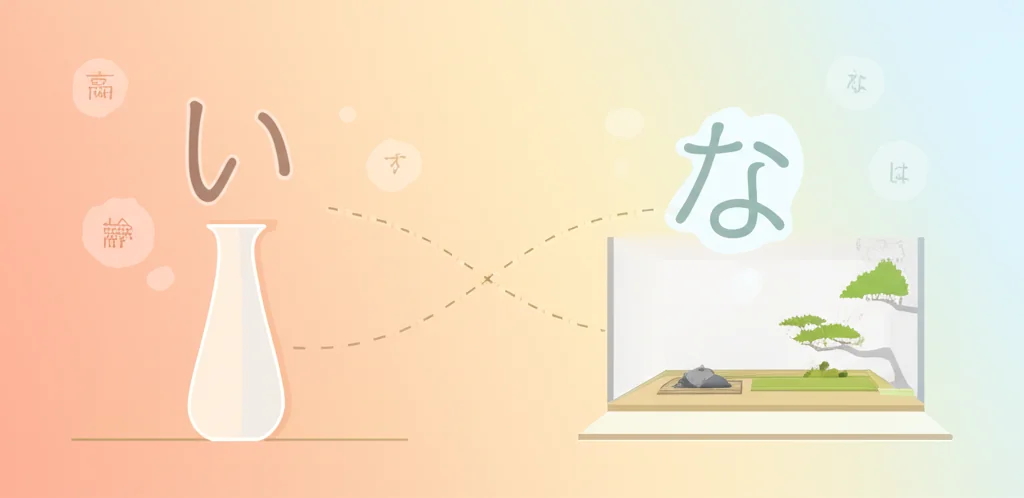
Hey there, language explorer! 👋
Ready to make your Japanese descriptions sparkle? In this chapter, we're diving deep into adjectives! Just like in English, adjectives help us talk about qualities – whether something is big, beautiful, quiet, or delicious.
Japanese adjectives are super interesting because they come in two main flavors. Let's dig in!
Adjective Showdown: い-adjectives vs. な-adjectives
Japanese categorizes adjectives into two groups. Knowing the difference is key to using them correctly!
1. い-adjectives (i-adjectives)
These adjectives always end in い (i). They are very straightforward!
- たかい (takai) : expensive / tall
- おもしろい (omoshiroi) : interesting / funny
- おいしい (oishii) : delicious
- ちいさい (chiisai) : small
💡 たかい can mean both 'expensive' and 'tall'! Context is everything.
2. な-adjectives (na-adjectives)
These adjectives do NOT end in い (usually, except for a few rare exceptions like きれい which acts like a な-adjective despite ending in い!). The "な" is a particle that attaches to them when they directly modify a noun.
- しずか (shizuka) : quiet
- きれい (kirei) : beautiful / clean
- げんき (genki) : healthy / energetic
- ゆうめい (yūmei) : famous
Building Sentences with Adjectives
Now, let's put these adjectives into action with some common sentence structures!
Using い-adjectives
When an い-adjective describes something and comes at the end of a sentence (acting as a predicate), you just add です (desu).
この みせは たかいです。
Kono mise wa takai desu.
This shop is expensive.
この ほんは おもしろいです。
Kono hon wa omoshiroi desu.
This book is interesting.
When an い-adjective modifies a noun directly, it just goes right before the noun!
たかい みせ: an expensive shop
おいしい たべもの: delicious food
Using な-adjectives
This is where the "な" comes into play! If a な-adjective is describing a noun that follows it, you MUST add な (na) between the adjective stem and the noun.
しずかな まちです。
Shizuka na machi desu.
It's a quiet town.
(Literally: "quiet 'na' town is")
きれいな へやです。
Kirei na heya desu.
It's a clean room.
However, if a な-adjective comes at the end of a sentence (acting as a predicate), you DO NOT use な. Just add です (desu), similar to い-adjectives.
この まちは しずかです。
Kono machi wa shizuka desu.
This town is quiet.
この へやは きれいです。
Kono heya wa kirei desu.
This room is clean.
🤔 Tricky, right? Remember: な is a bridge to a noun. If there's no noun right after, no bridge needed!
📝 Practice Time! Adjective Types
Is げんき (genki) an い-adjective or a な-adjective?
Connecting Adjectives: Say More!
What if you want to say something is "big and expensive" or "quiet and beautiful"? Japanese has special ways to connect adjectives!
Connecting い-adjectives (~くて)
To connect two or more い-adjectives, change the final い to くて (kute) for all but the last adjective.
Formula: [い-adjective (remove い) + くて], [second い-adjective] です。
この みせは たかくて、おおきいです。
Kono mise wa takakute, ookii desu.
This shop is expensive and big.
この えいがは おもしろくて、ながいです。
Kono eiga wa omoshirokute, nagai desu.
This movie is interesting and long.
Connecting な-adjectives (~で)
To connect two or more な-adjectives, add で (de) after the first な-adjective.
Formula: [な-adjective + で], [second な-adjective (or な + noun if modifying)] です。
この まちは しずかで、きれいです。
Kono machi wa shizukade, kirei desu.
This town is quiet and clean.
かれは げんきで、ゆうめいです。
Kare wa genki de, yūmei desu.
He is energetic and famous.
You can also connect a な-adjective modifying a noun:
しずかで、きれいな まちです。
Shizukade, kirei na machi desu.
It's a quiet and beautiful town.
📝 Practice Time! Connecting Adjectives
How would you say "This restaurant is delicious and cheap" in Japanese?
(Hint: おいしい (oishii - delicious, い-adjective), やすい (yasui - cheap, い-adjective))
🌍 Cultural Note: Adjectives in Everyday Life
Adjectives are everywhere in Japanese conversation! One you'll hear constantly is かわいい (kawaii) (cute) . It's used for everything from babies and pets to fashion, food, and even stationery!
Japanese people often use adjectives to share their feelings about things, making conversations very expressive. Don't be shy to use them!
Chapter Summary ✨
Phew! You've learned a lot about Japanese adjectives. Here's a quick recap:
- い-adjectives: End in い.
- Predicate: [い-adjective] です。 (e.g., たかいです。)
- Modifying noun: [い-adjective] [Noun] (e.g., たかい みせ)
- Connecting: Change い to くて (e.g., たかくて、おおきいです。)
- な-adjectives: Do not end in い (mostly).
- Predicate: [な-adjective] です。 (e.g., しずかです。)
- Modifying noun: [な-adjective] な [Noun] (e.g., しずかな まち)
- Connecting: Add で (e.g., しずかで、きれいです。)
Great job! Keep practicing these forms, and you'll be describing the world in Japanese like a pro! 🌟
Chapter quiz
Japanese Chapter 8 Quiz: Adjectives and Description
10 questions
- 1
What does たかい mean?
- 2
What does しずか mean?
- 3
What type of adjective is たかい?
- 4
What type of adjective is しずか?
- 5
What does この みせは たかいです mean?
- 6
Form the Japanese sentence "This book is expensive"
Tap tiles in order to build the answer - 7
What does しずかな まちです mean?
- 8
How do you connect two adjectives in Japanese?
- 9
Form the Japanese sentence "This is a quiet place"
Tap tiles in order to build the answer - 10
What is the difference between い-adjectives and な-adjectives?
You know the lesson. Now practice speaking it.
Continue in Native Talk with story scenes and conversation battles built for natural Japanese.